The MarginSurge Guide to Restaurant POS Systems: Pricing, Contracts, and Our Top Pick
● ●
Your point-of-sale system is one of the biggest recurring line items in an independent restaurant’s tech stack, and it’s often the one owners spend the least time shopping for.
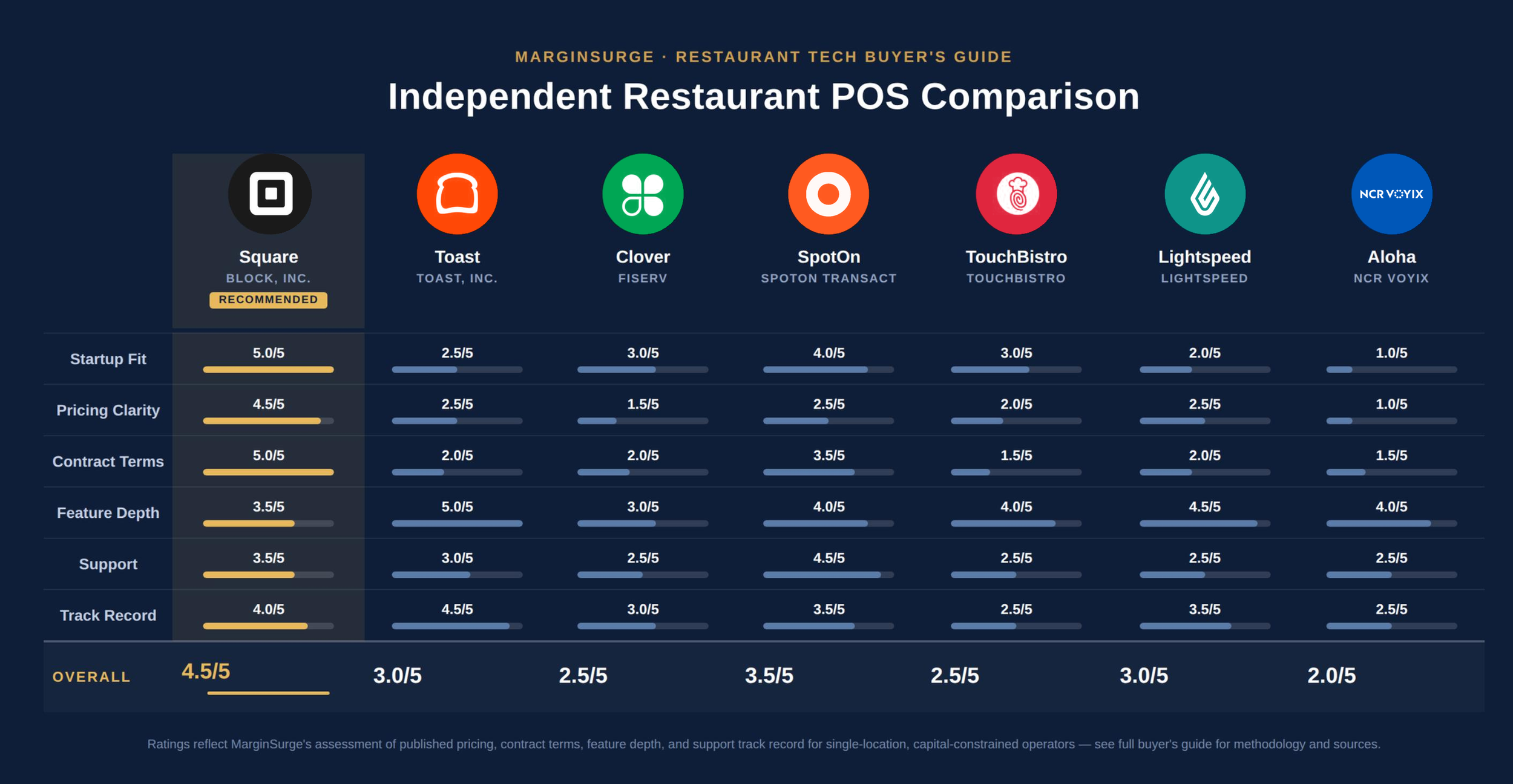
We put seven of the platforms independent and startup restaurants get pitched most often through a side-by-side review: Square, Toast, Clover, SpotOn, TouchBistro, Lightspeed, and Aloha (NCR Voyix). Here’s how they stack up, what they actually cost, and which one we’d point a first-time owner toward first.
The POS is one decision inside a much larger stack, and we walk through the rest of it in our complete restaurant technology guide — inventory, scheduling, online ordering, payments, and what they cost together.
Which POS Should a New Restaurant Actually Buy? We Compared 7 Platforms So You Don’t Have To
A MarginSurge Buyer’s Guide
We evaluated each platform specifically through the lens of an independent or startup restaurant — single location, limited upfront capital, no in-house IT department, and often no financial runway to absorb a contract that locks up cash flow the business doesn’t have yet. That’s a different buyer than the multi-unit group some of these systems are actually built and priced for, and it shows up fast once you get past the marketing page and into the contract terms.
A note on how we rated these. MarginSurge has hands-on deployment and negotiation experience with several of these platforms in independent full-service and quick-service settings, and that experience shapes some of the judgment calls below — particularly around contract risk and fee transparency, which are harder to see on a spec sheet than a feature checklist is. Pricing in this category is inconsistent by design: Clover, Aloha, and TouchBistro are sold through resellers, dealers, or reps who can and do quote different numbers for identical hardware. Treat every dollar figure below as a starting point for your own written quote, not a guarantee.
● Square — Block, Inc.
MarginSurge Score: 4.5 / 5 ⭐ Recommended Pick
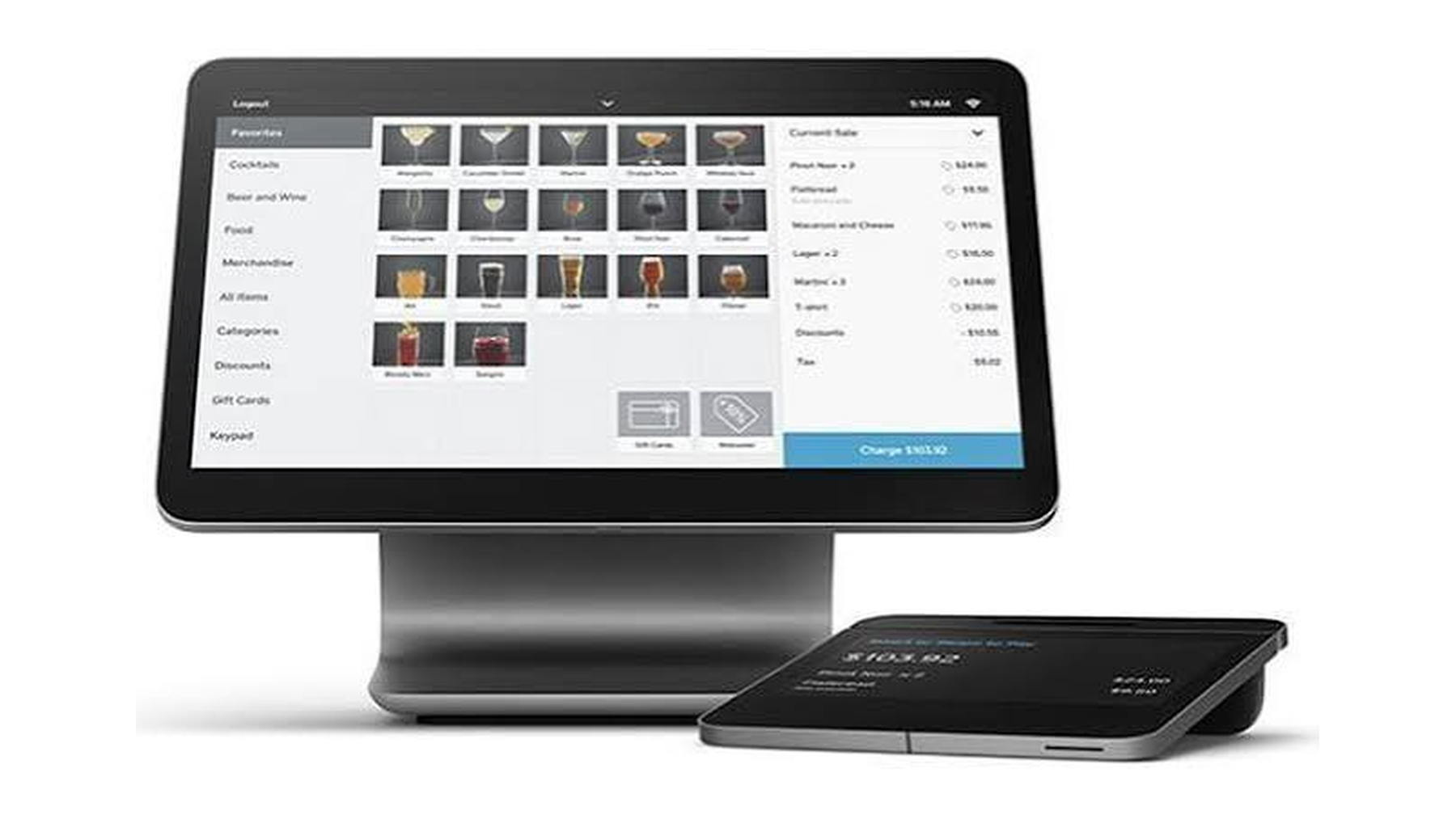
Square is the only platform on this list you can sign up for, install, and start ringing sales on the same afternoon — no sales call, no dealer, no financed hardware. The Free plan costs nothing and allows unlimited devices, and Plus ($49/mo) and Premium ($149/mo) are the only two paid tiers here with fully published, flat pricing you can read yourself before ever talking to a rep. There’s no long-term contract at any tier — cancel anytime, no early termination fee — which matters enormously for a restaurant whose survival isn’t guaranteed in year one.
Software: $0 (Free) / $49 (Plus) / $149 per month (Premium) — published, no quote needed
Hardware: Square Stand from $149 (mounts to your own iPad); Terminal $299; Register $899
Processing: 2.4–2.6% + 15¢ in person, published and flat across tiers
Contract: month-to-month, cancel anytime, no early termination fee
Why it’s our top pick: it’s the only platform here with zero-commitment onboarding, fully published pricing, and no proprietary hardware lock-in — the lowest-risk entry point for an owner who can’t yet be certain the concept will still be open in eighteen months. It isn’t the deepest feature set on this list (no native reservations, thinner inventory tooling), but for a true startup, the ability to walk away without penalty is worth more than a longer checklist.
● SpotOn — SpotOn Transact
MarginSurge Score: 3.5 / 5
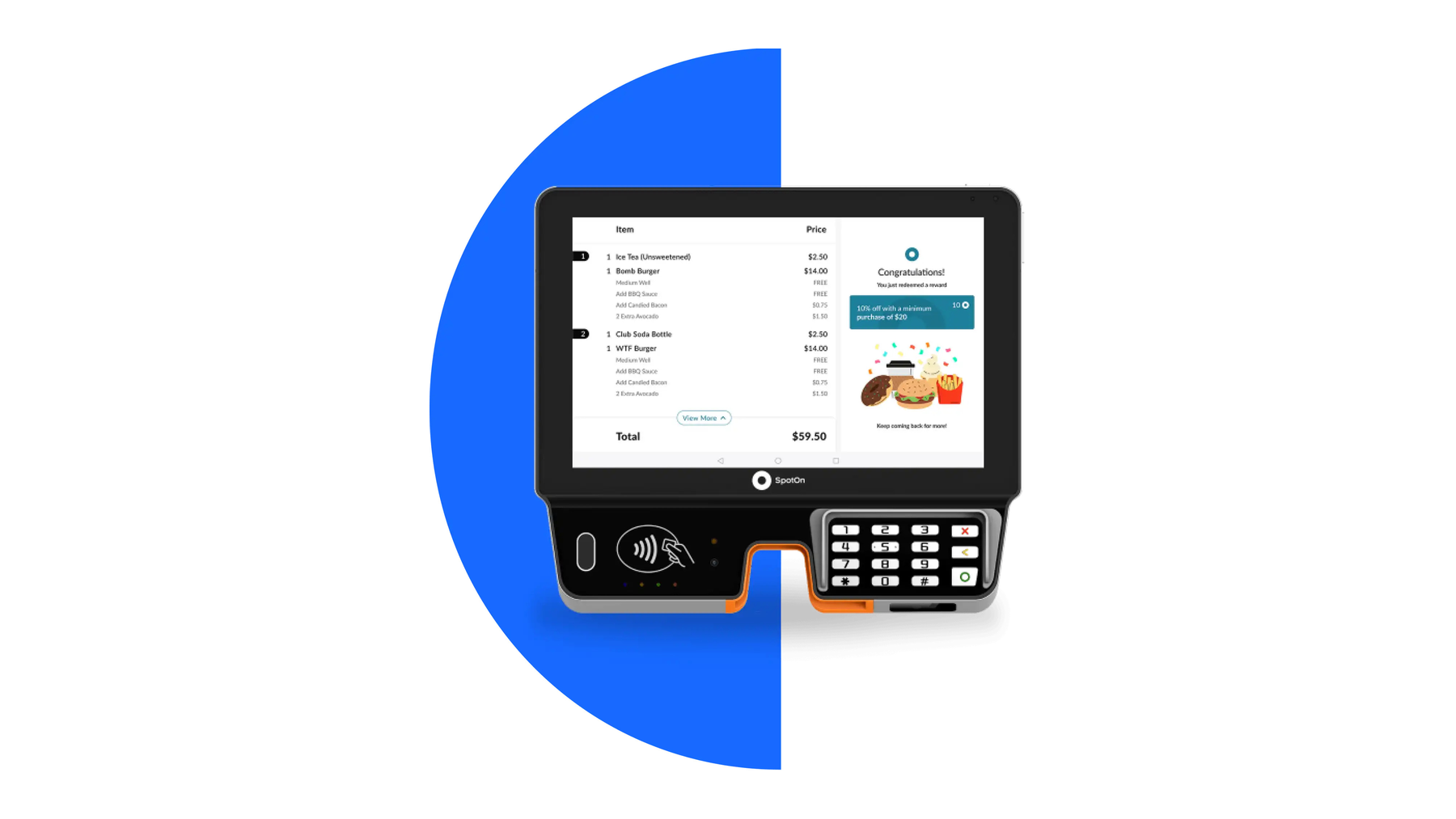
SpotOn splits the difference between Square’s self-serve simplicity and Toast’s feature depth, and backs it up with the best-rated support in this category — it ranked #1 for Restaurant POS in G2’s Fall 2025 report, beating Toast on both quality of support (91% vs. 81%) and satisfaction (83% vs. 62%). The tradeoff is that SpotOn assigns a local rep to sell and install your system rather than letting you self-serve, and the plan names and prices we found varied meaningfully between SpotOn’s own site and third-party review sites — a sign pricing has shifted recently and hasn’t fully settled everywhere.
Software: POS Essentials $55/mo, month-to-month; All-In $0/mo tied to a 2-year processing commitment
Hardware: Station 15 $750; Station 10 $415; handheld $297
Processing: 2.45–2.79% + 15–20¢ card-present (Amex 3.19%); keyed 3.45–3.79%
Contract: Essentials is month-to-month; keeping SpotOn software but switching processors costs a $995 conversion fee plus a doubled license cost
The catch: that $995 processor-switch penalty is a real lock-in mechanism dressed up as a flexible, no-contract system, and reviewers report real billing and fund-hold disputes despite SpotOn’s strong support scores. Get the exact plan name and price in writing — what we found published didn’t always match what review sites had listed.
● Toast — Toast, Inc.
MarginSurge Score: 3.0 / 5
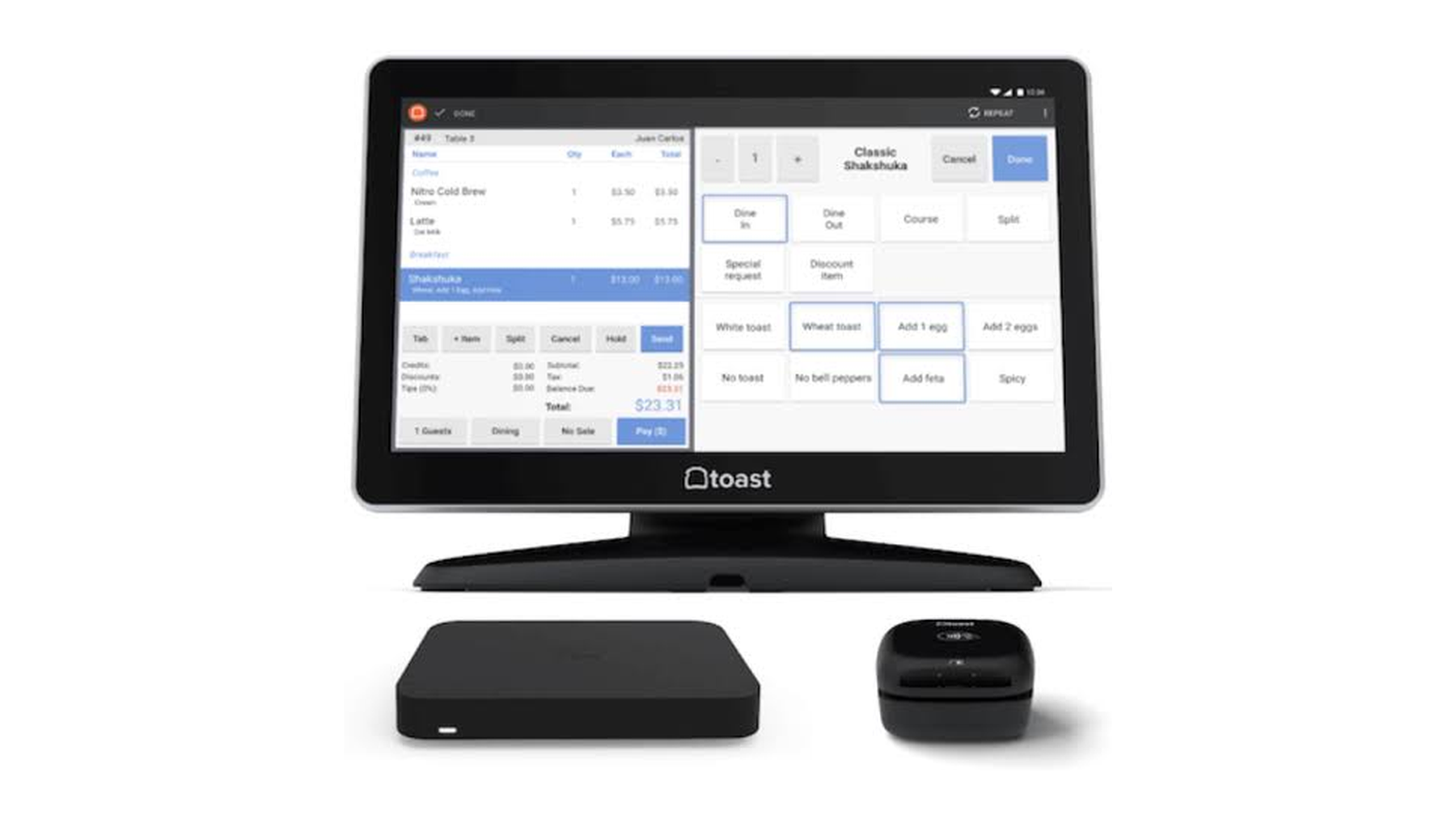
Toast is the most restaurant-native, feature-complete platform on this list — floor plans, its own Toast Tables reservation system, native payroll, and a kitchen display system that most competitors still bolt on through third parties. It’s also the platform most likely to cost meaningfully more than its advertised price once you add the modules a real full-service restaurant needs: multiple independent estimates put a realistically-equipped Toast install at $350–650 a month in software alone, before processing and hardware.
Software: Starter Kit $0/mo (highest processing rates); Point of Sale ~$69/mo; Build Your Own from ~$110–165/mo
Hardware: a basic single-terminal bundle runs roughly $1,400–2,645 outright, or financed over 36–60 months
Processing: 2.49% + 15¢ card-present; up to 3.69% + 15¢ on the free Starter Kit
Contract: typically 2–3 years; early termination costs ~$495 plus the remaining contract balance, and hardware is proprietary — it won’t work with another processor if you leave
Where it loses points for a startup: the contract and hardware lock-in are the steepest of any mainstream platform here, and multiple sources describe Toast explicitly as better suited to established full-service restaurants than brand-new, capital-constrained ones. If this is a well-capitalized, multi-year concept, Toast’s feature depth is hard to match. If you’re not sure yet, that 2–3 year commitment is a real risk.
● Lightspeed — Lightspeed Commerce
MarginSurge Score: 3.0 / 5
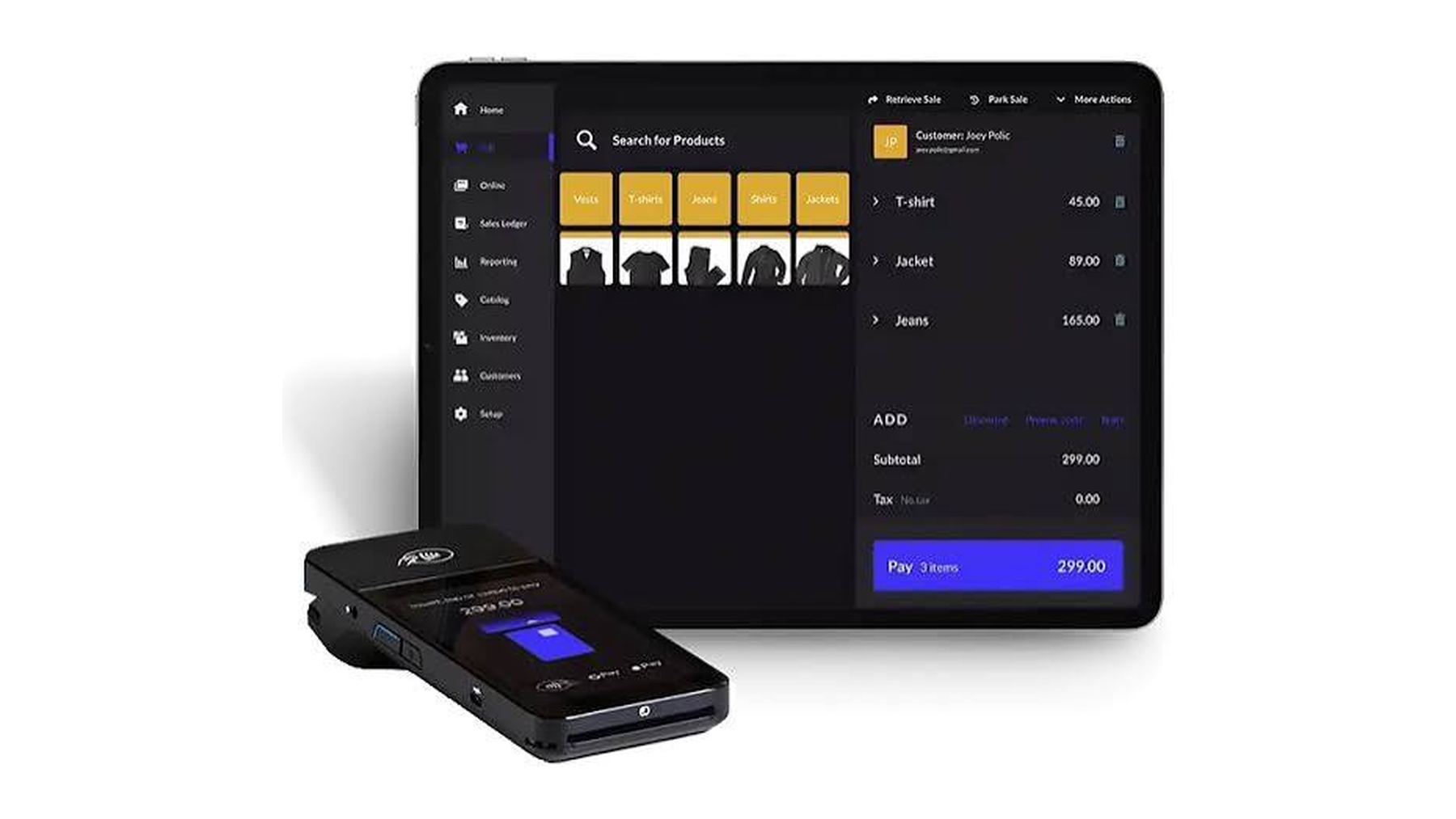
Lightspeed’s real strength — deep, recipe-level inventory tracking and multi-location reporting — is locked behind its $189/mo Essential tier, not the $69/mo Starter plan a single-unit startup would actually buy. TouchBistro’s own head-to-head comparison (a competitor, so read with a grain of salt) puts it bluntly: Lightspeed is built for “enterprise chains with dozens of units,” not day-one independents. A native reservations module shipped in March 2026, closing one old gap, but the platform is iPad-only, charges $30/month per Kitchen Display screen, and adds a roughly $99/month surcharge if you use an outside payment processor.
Software: Starter $69/mo, Essential $189/mo, Premium $399/mo — deep inventory/reporting gated to Essential and above
Hardware: iPad Stand from $169 (plus your own iPad); Smart Terminal $399; KDS screen $30/mo per screen
Processing: 2.6% + 10¢ card-present; roughly $99/mo penalty for using a non-Lightspeed processor
Contract: typically 1 year, auto-renews; early termination fee is uncapped by contract language — one BBB complaint cited a $15,000 ETF with no itemized breakdown
Where it loses points for a startup: the plan that’s actually affordable for a new restaurant isn’t the plan that makes Lightspeed worth choosing. Budget for Essential, not Starter, if inventory control is the reason you’re considering it at all.
● Clover — Fiserv
MarginSurge Score: 2.5 / 5
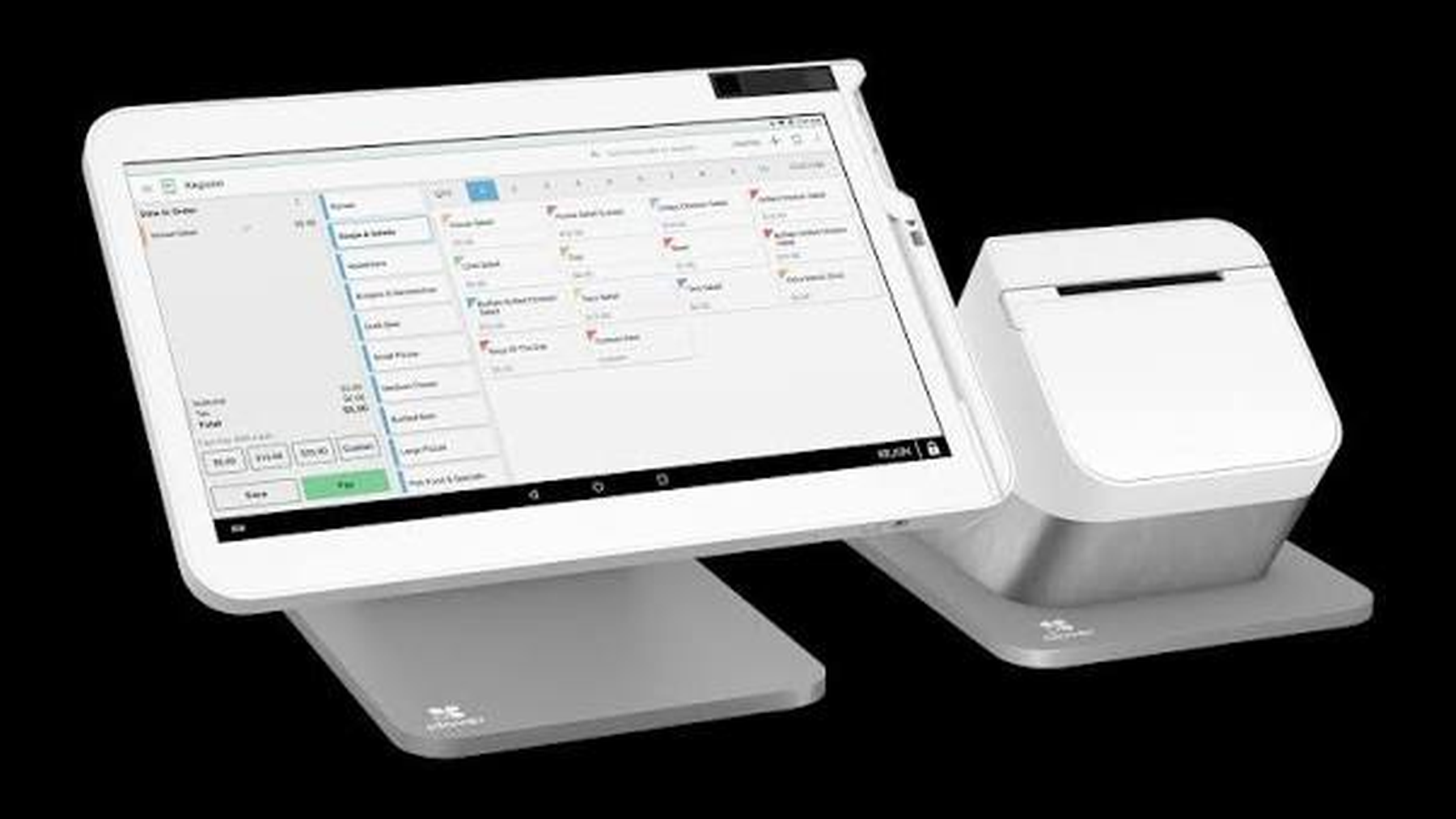
Clover’s biggest issue for an independent owner isn’t the hardware, which is genuinely flexible (a $499 handheld scales up to an $1,899 dual-screen station) — it’s that Clover is sold almost entirely through banks and independent resellers, each of whom sets their own hardware markup, processing rate, and contract terms. Two restaurants with identical Clover hardware can end up paying meaningfully different amounts depending solely on who sold them the system, and multiple sources explicitly warn shoppers to get several competing quotes before signing anything.
Software: roughly $59.95–$179/mo depending on plan and reseller; each device needs its own separate subscription
Hardware: Flex handheld $499–749; Station Duo $1,599–1,899; a typical full-service buildout runs $2,000–4,000+
Processing: advertised around 2.3–2.6% + 10¢, but reviewers report effective rates creeping toward 4%+ after reclassification
Contract: 36–48 months is standard, with $295–1,000+ early termination fees and processor lock-in tied to the hardware
Where it falls short: no standardized price sheet means a first-time owner has no reliable way to know if they’re getting a fair deal, and Clover’s table and floor-plan management is noticeably thinner than purpose-built full-service systems like Toast or TouchBistro. If you go this route, get at least two reseller quotes in writing before choosing one.
● TouchBistro — TouchBistro
MarginSurge Score: 2.5 / 5
TouchBistro is genuinely well-built for full-service, sit-down independents specifically — real floor-plan management, fast staff onboarding, and a hybrid architecture that keeps taking orders and processing cards locally if the internet goes down, a real advantage over fully cloud-native competitors. The tradeoff is the least flexible contract on this list: no free trial, no month-to-month option, and early termination fees that BBB complaints and user reviews put anywhere from $4,400 to $30,000 depending on the contract. TouchBistro was also acquired by Harris Computer, a Constellation Software subsidiary, in July 2026 — adding real near-term uncertainty about pricing and support continuity for anyone signing a multi-year deal right now.
Software: Point of Sale from $69/mo; Essentials bundle (with hardware and payments) from $119/mo; reservations alone runs about $229/mo as an add-on
Hardware: runs on Apple iPad, not proprietary; TouchBistro’s own comparison cites hardware “starting around $349,” quote-based beyond that
Processing: not publicly disclosed — quote-based, a genuine transparency gap versus Square or Toast
Contract: no month-to-month option; auto-renews annually; early termination fees reported from $4,400 up to $30,000
The catch: this is the steepest contract risk on the list for a business whose year-one survival isn’t guaranteed, layered on top of a very recent ownership change. The offline reliability and full-service fit are real strengths — just go in knowing exactly what it costs to leave if the concept doesn’t work out.
● Aloha — NCR Voyix
MarginSurge Score: 2.0 / 5
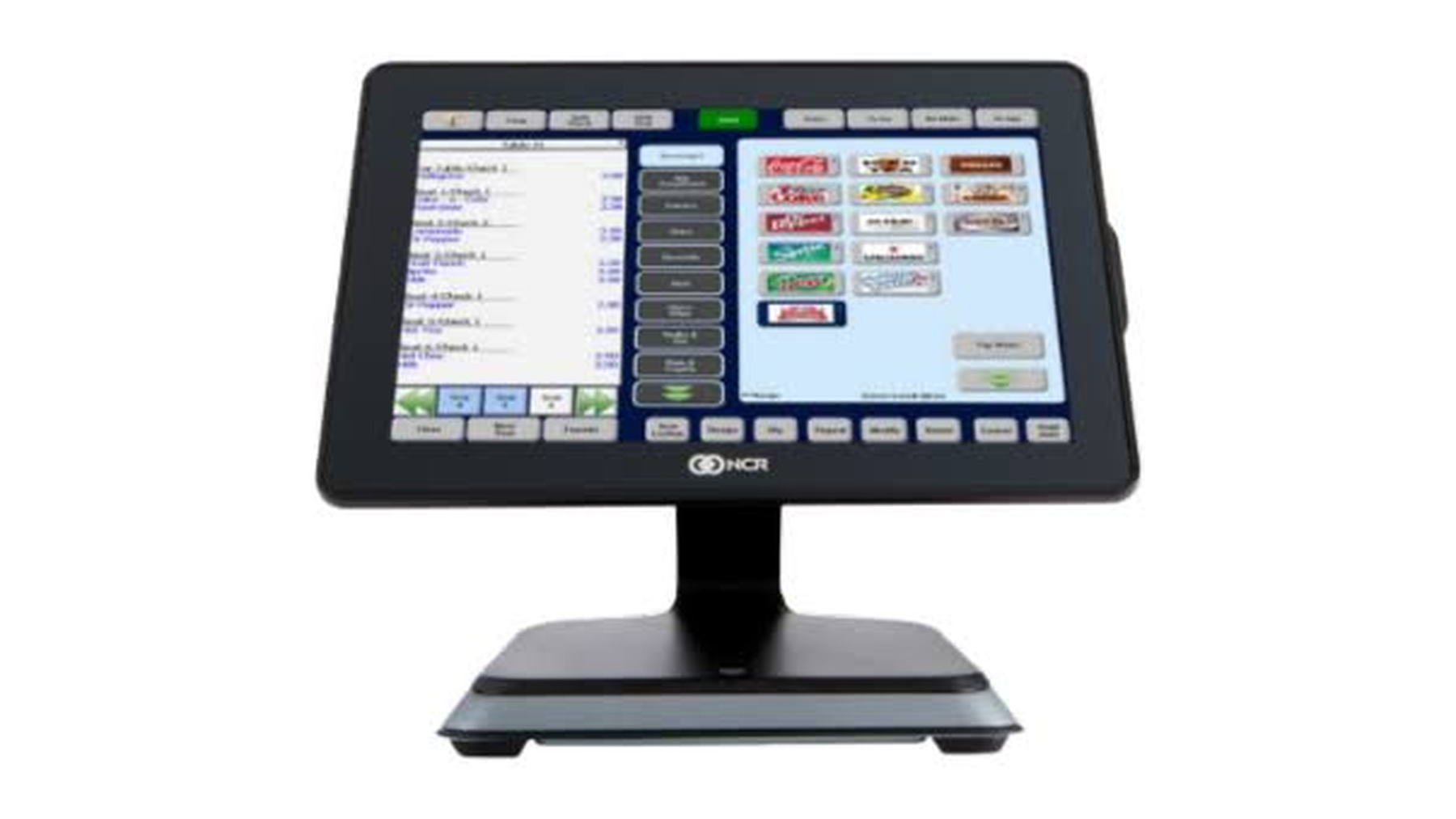
Aloha is a legacy enterprise system, and it’s honest to say so: multiple independent reviewers state outright that it’s built and sold for established full-service groups and chains, not brand-new single-location startups. There’s no online signup or self-service trial — you contact a certified dealer, get a custom quote, and wait a few weeks for installation. Pricing isn’t published anywhere; third-party estimates put five-year total cost of ownership at $25,000–$40,000 for even a modest single-terminal setup, before factoring in dealer-to-dealer variation.
Software: Aloha Cloud (SMB tier) from $0 upfront plus processing; Pro tier roughly $65–175/mo per terminal; legacy Essentials is fully custom-quoted
Hardware: legacy on-premise terminals run roughly $1,200–2,500 each; full multi-terminal builds can reach $5,000–10,000+
Processing: NCR Voyix Payments is effectively mandatory on most configurations; rates cited around 2.6% + 10¢, quote-based
Contract: 1–3 years typical through a dealer; no source we found publishes a specific early termination fee
Bottom line: this is a strong, battle-tested system for a restaurant group that already has multiple locations and a finance team to negotiate the contract. It’s a mismatched, high-friction choice for a first-time owner watching every dollar of startup capital.
What It Actually Costs
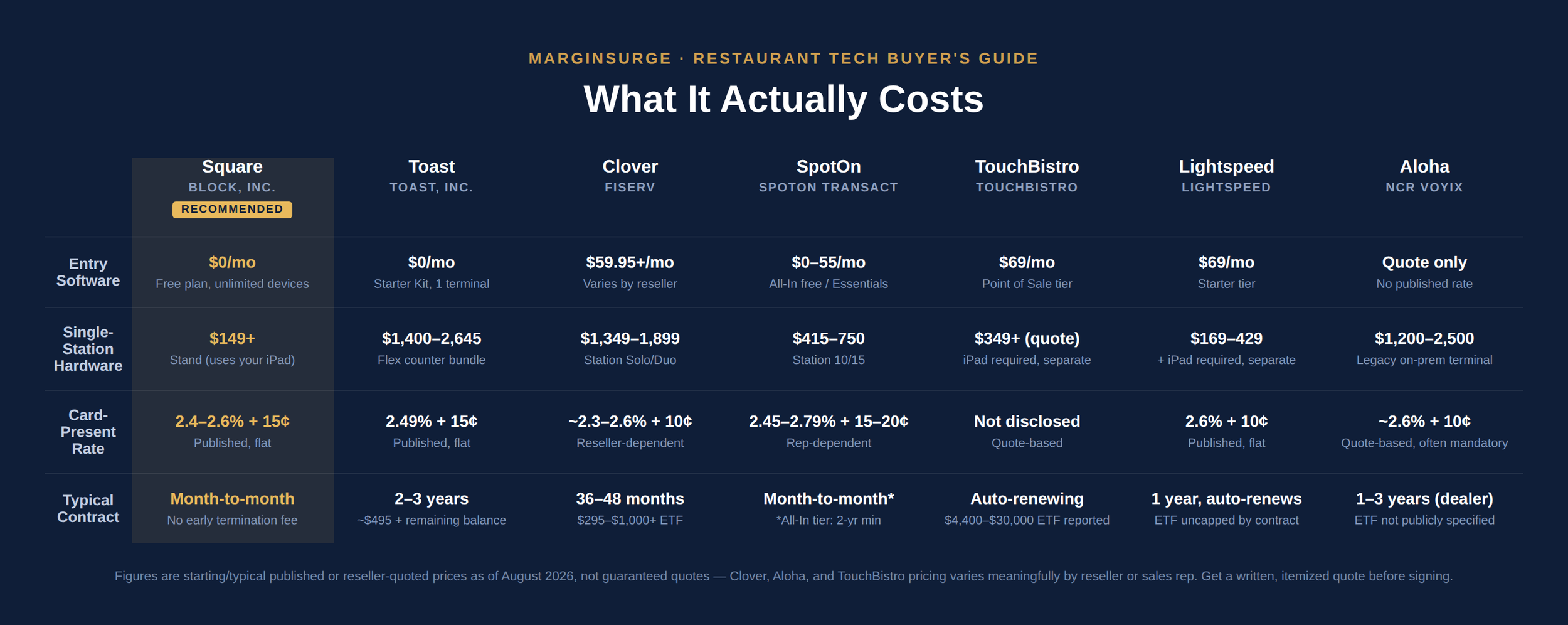
A few practical notes for independent owners: “free” hardware almost always means it’s financed into a multi-year processing commitment — read the length of that commitment before you say yes. Buying hardware outright is typically cheaper over a 3+ year horizon than a “free with commitment” plan, and outright purchases can potentially qualify for a Section 179 tax deduction — ask your accountant. And whatever platform you choose, get your processing rate, contract length, and early termination fee in writing before you sign. As this comparison shows, the number a rep quotes you by phone and the number in the actual contract aren’t always the same one.
Our Take
For a true independent or startup restaurant with limited capital and an uncertain runway, Square is the platform we’d point you toward first — not because it has the deepest feature set, but because it’s the only system here you can leave without penalty if the concept doesn’t work. If you’re confident in a multi-year, full-service concept and have the capital to match, Toast or SpotOn are worth a serious look.
Prices as of August 2026, in short. Square is the only one you can start on free: $0/mo software, $149+ for a single station using your own iPad, a published 2.4–2.6% + 15¢ card-present rate, month-to-month with no early termination fee. Toast is $0/mo software but $1,400–2,645 of hardware on a two to three year term, with an ETF of roughly $495 plus the remaining balance. Clover runs $59.95+/mo through resellers, $1,349–1,899 of hardware, 36–48 month terms and a $295–1,000+ ETF. SpotOn is $0–55/mo and $415–750 of hardware, month-to-month except the All-In tier, which carries a two-year minimum. TouchBistro is $69/mo plus an iPad you supply, auto-renewing, with reported ETFs of $4,400–30,000. Lightspeed is $69/mo, $169–429 of hardware plus an iPad, on a one-year auto-renewing term with an ETF uncapped by contract. Aloha is quote-only: no published rate, $1,200–2,500 of legacy on-premise hardware, one to three years through a dealer. Treat every figure as a starting point for your own written, itemized quote.
Need help figuring out which platform actually fits your concept, or negotiating a contract you’ve already been quoted? Book a free 20-minute consult — we’ll look at your real numbers, not the marketing page. POS sits inside a bigger picture — ordering, robotics, analytics and the ROI math behind all of it are in our Complete Guide to Restaurant Technology & Automation in 2026. We do this work hands-on for restaurants in Los Angeles and Phoenix.